
Montana's Do Not Call laws protect residents from unwanted telemarketing by requiring businesses to obtain explicit consent. Individuals can register on the state list, making unauthorized calls illegal. Businesses must navigate these laws, seeking guidance from a lawyer for Do Not Call Laws Montana and staying informed about updates. Violations result in penalties up to $10,000 per day, with reporting encouraged. For comprehensive protection, consult legal professionals for tailored advice and dispute resolution.
In today's digital age, telemarketing calls have become an increasingly ubiquitous part of our daily lives. However, not all calls are welcome—some can be intrusive and disruptive. This is where Montana's Do Not Call Laws come into play, designed to protect residents from unwanted sales or promotional calls. Understanding these laws is crucial, especially for consumers seeking to assert their privacy rights. If you're overwhelmed by the sheer volume of calls or uncertain about your legal protections, consulting a lawyer specializing in Montana's Do Not Call Laws can provide much-needed clarity and guidance. This article delves into the intricacies of these laws, empowering Montanan residents to take control of their phone lines.
Understanding Montana's Do Not Call Laws

Montana's Do Not Call laws are designed to protect residents from unwanted telemarketing calls and sales pitches, providing them with a level of privacy and control over their phone lines. These laws are enforced by the Montana Attorney General's Office, which works to ensure compliance among businesses operating within the state. Understanding these regulations is crucial for both consumers and businesses alike, as violations can result in significant penalties.
At the core of Montana's Do Not Call laws is the requirement for telemarketers to obtain explicit consent from residents before making sales calls. This means that if you have not given your permission for a company to contact you, they must refrain from doing so. Consumers can register their phone numbers on the state's official Do Not Call list, which is free and easy to access. Once registered, it becomes illegal for telemarketers to call those numbers, unless they have prior consent. This list operates as a robust shield against unwanted calls, offering peace of mind to those who wish to limit their interaction with sales pitches.
For businesses operating in Montana, navigating these laws is essential. A lawyer specializing in Do Not Call Laws in Montana can offer invaluable guidance on compliance. They can help companies understand the rules, implement proper consent-gathering practices, and train staff on how to avoid common pitfalls. By adhering to these regulations, businesses can protect themselves from legal repercussions while also fostering positive relationships with customers who value their privacy. Regular reviews of these laws are recommended due to updates and changes, ensuring that all parties remain informed and in compliance.
How to Register for Protection: A Step-by-Step Guide
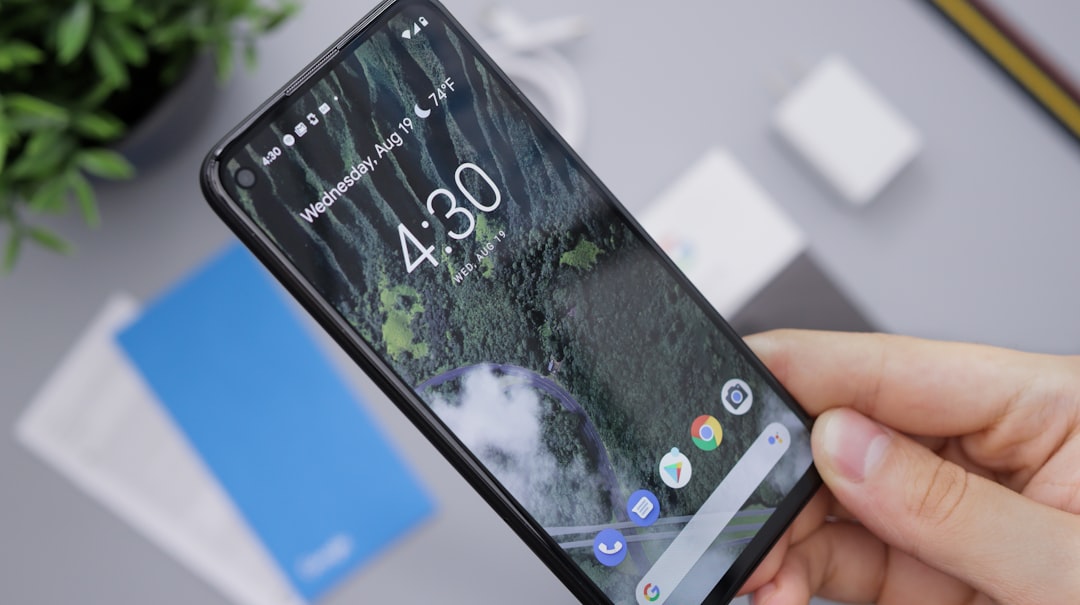
To register for protection under Montana's Do Not Call laws, individuals and businesses must follow a structured process designed to ensure compliance and minimize unwanted calls. The first step involves gathering necessary information, including personal details, contact information, and specific preferences regarding call restrictions. This data is then submitted through authorized channels, typically the Montana Public Service Commission (PSC). After submission, applicants receive confirmation of their registration, which activates the legal protections against telemarketing and sales calls.
The process is straightforward but crucial for safeguarding one's privacy. For instance, a resident in Billings who consistently receives nuisance calls from telemarketers can register their number through the PSC's online portal or by filling out a printed form. Upon registration, all listed telephone numbers become eligible for the state's Do Not Call list, barring them from receiving unsolicited calls within Montana. It's important to note that while these laws significantly reduce unwanted calls, they do not eliminate them entirely, as certain types of calls—like those from local businesses or non-profit organizations—may still connect despite registration.
For comprehensive protection, individuals should consider consulting a lawyer specializing in Do Not Call Laws Montana. Legal professionals can offer tailored advice based on specific circumstances, ensuring compliance and addressing any issues that may arise. They can also assist with disputing unwanted calls that slip through the cracks and help maintain the integrity of the state's registry. By following these steps and seeking expert guidance when needed, Montanans can effectively enjoy peace and quiet, free from intrusive telemarketing calls.
Enforcing Your Rights: What to Do If Called Despite Listing

If you've registered your number on the National Do Not Call Registry, it's illegal for telemarketers to call you, period. However, despite these stringent laws, some callers may still try to reach you. Knowing what steps to take if you receive a call in violation of Montana's Do Not Call Laws is crucial. First, don't panic; document the incident meticulously. Note down the caller's details—the company name, the date and time of the call, and any identifying information you can recall. This documentation becomes vital if you decide to take formal action.
If a lawyer for Do Not Call Laws Montana is needed, reach out to one promptly. They can guide you on the best course of legal action, which may include filing a complaint with the Federal Trade Commission (FTC) or your state attorney general's office. These agencies enforce Do Not Call Laws and can take formal action against repeat violators. Keep in mind that each state has its own regulations; Montana's laws are designed to protect residents from unwanted calls, ensuring they can enjoy peace of mind.
The penalties for violating these laws can be severe, with fines reaching up to $10,000 per day. This serves as a strong deterrent for businesses and telemarketers. However, it's not just about financial penalties; public awareness and enforcement are key. Reporting such incidents encourages compliance and helps maintain the integrity of the Do Not Call Registry, allowing you to control your privacy and peace of mind.